The journey of an inspired creation to final composition.
Three years ago I performed the first styling on a collected Podocarpus Tōtara after having being inspired. I generally do get a wave of inspiration and have to immediately get going, often my wife will then see the look on my face and know I won’t be seen for a while! What however followed was years of maturity and development. The time then came to realise the final composition.
This blog follows the process of creating the final composition and the technical aspects of it and also the journey of the tree from inspiration to creation and beyond.
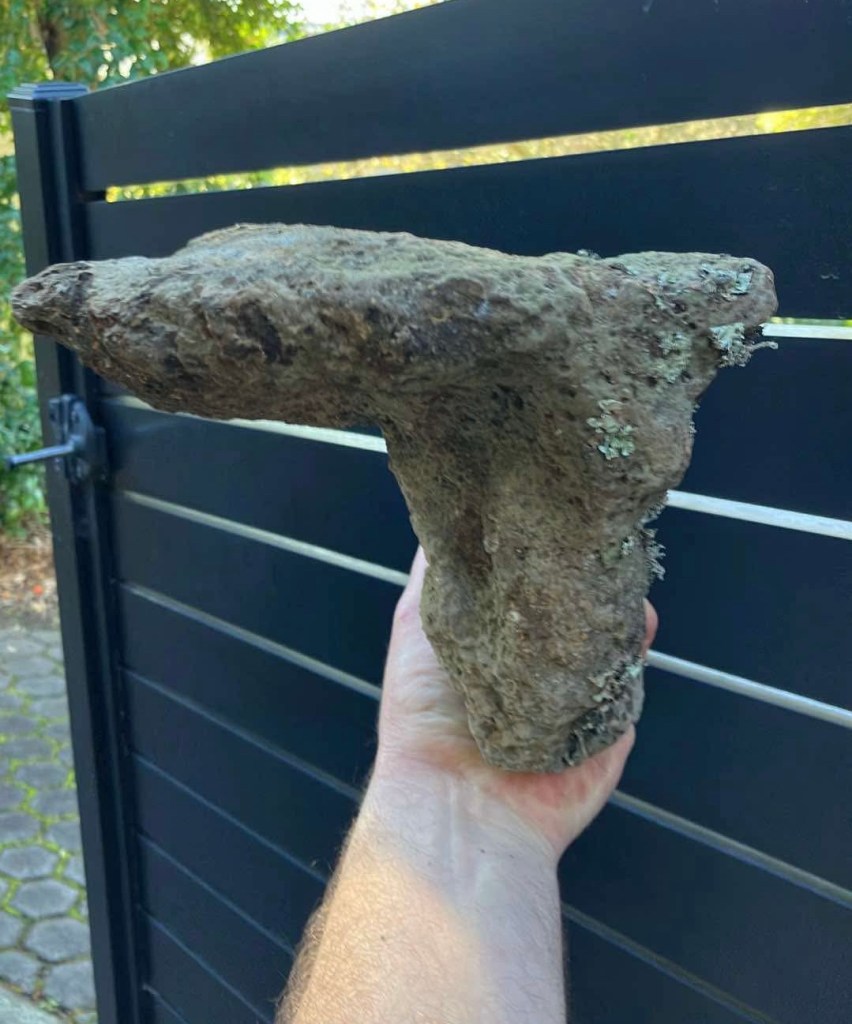
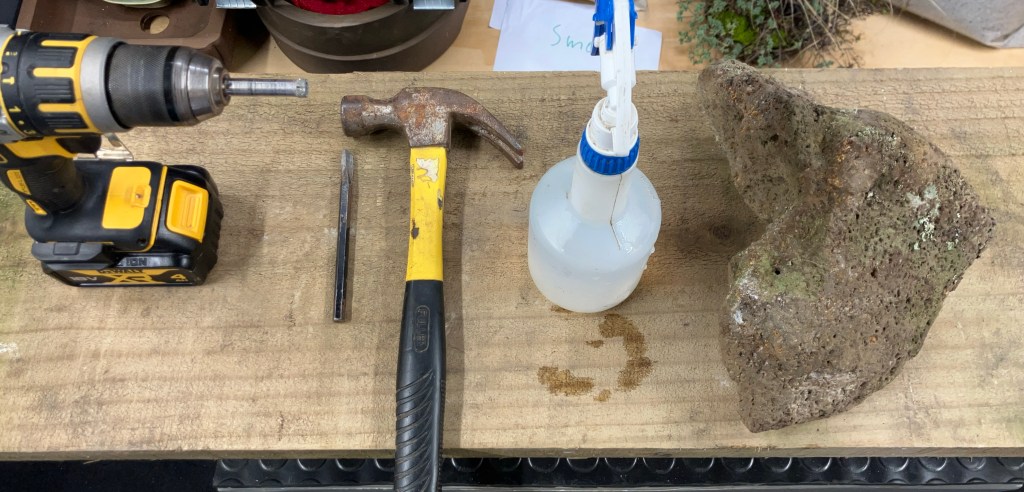
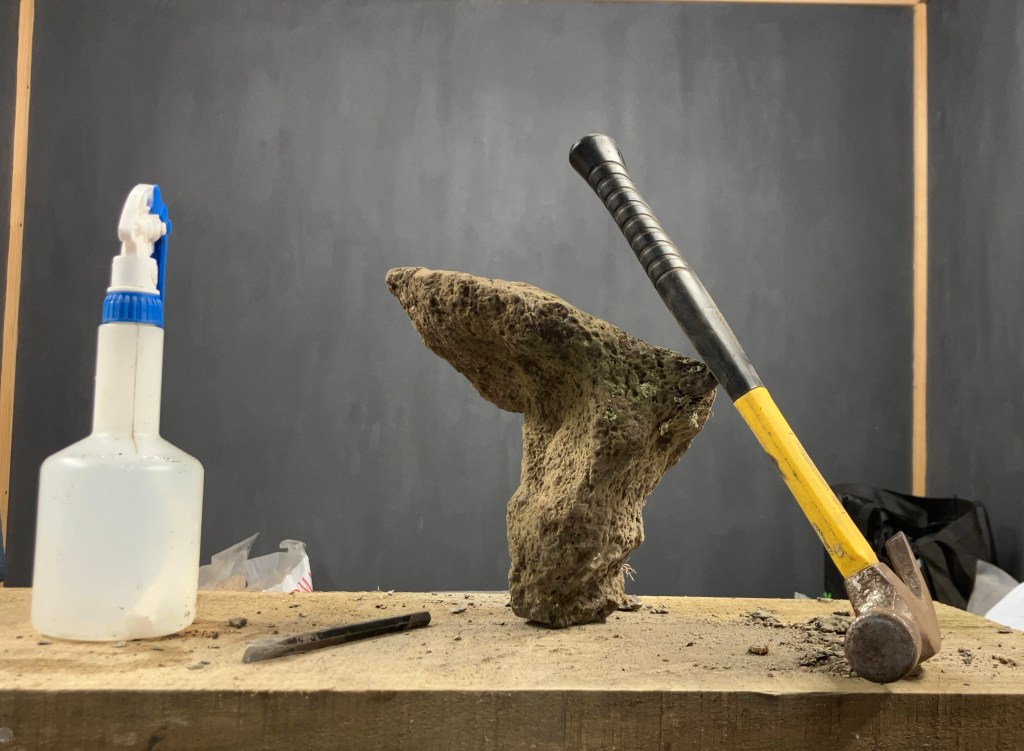
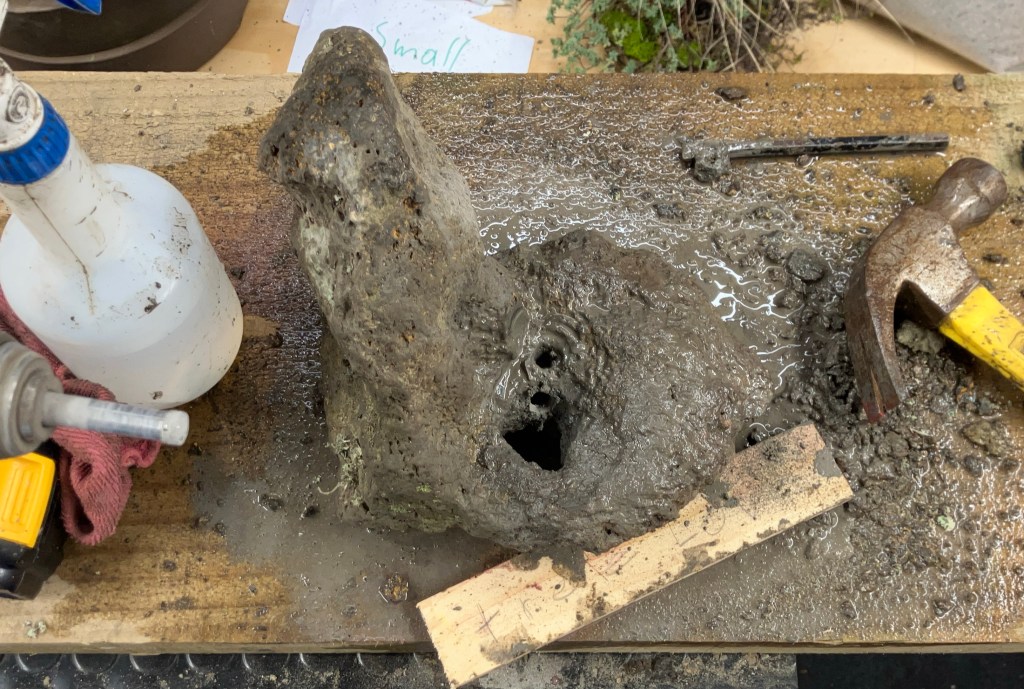
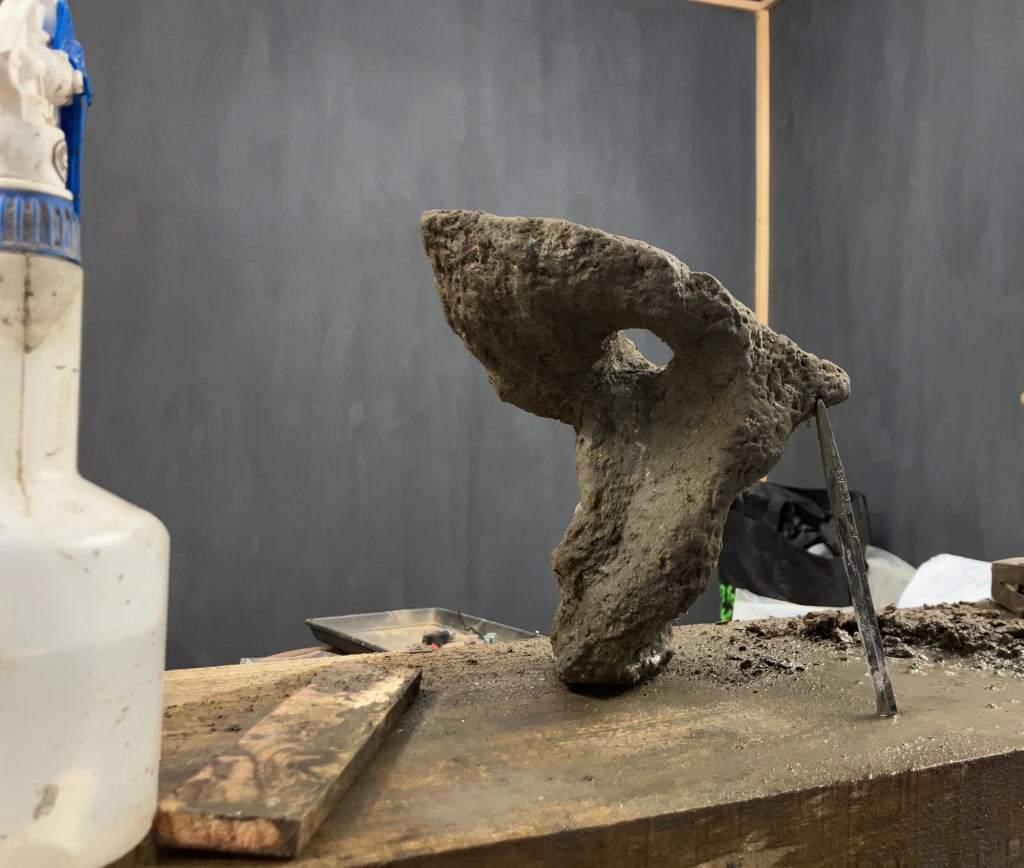
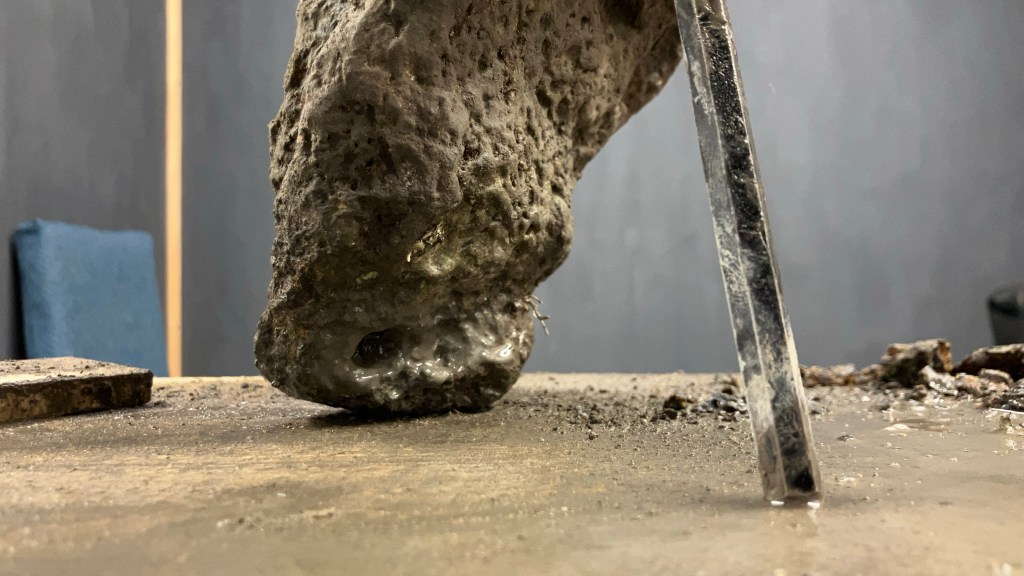
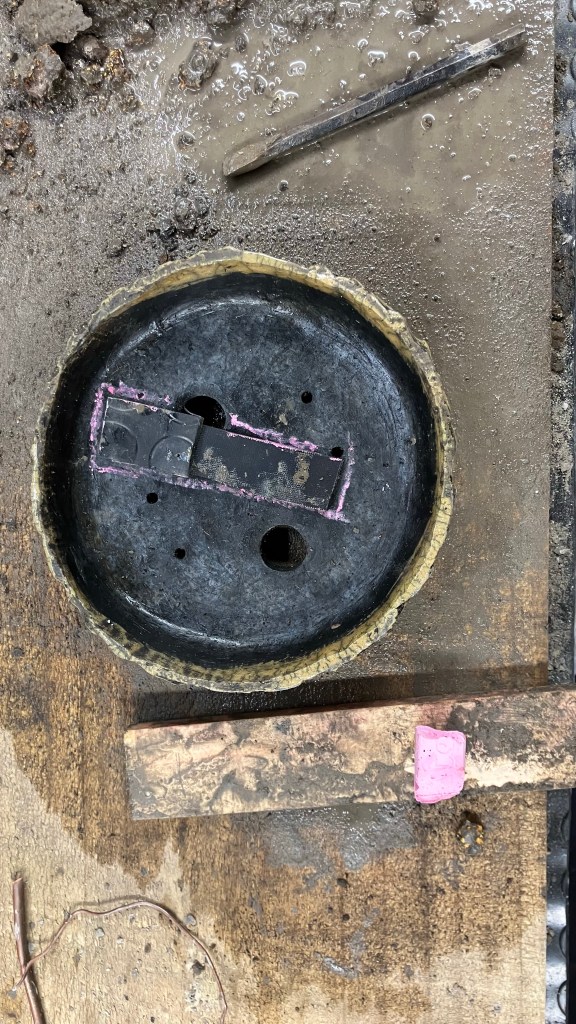
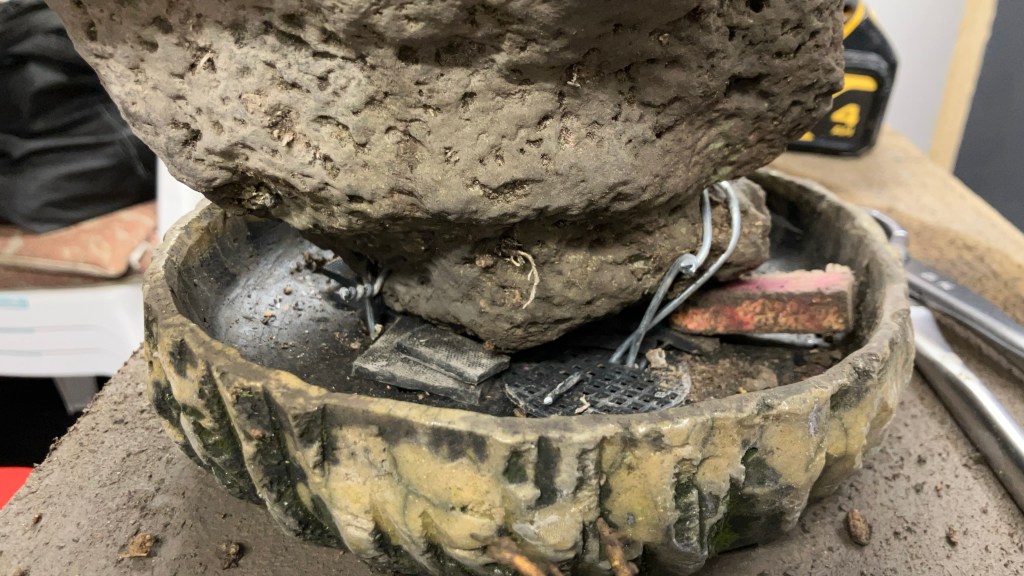
It starts with the find. Now you don’t simply walk up to a rock like this, you have to pick your way through a mountain of rocks all while tentatively balancing hoping to not have it all come crashing down on you. Now how best to use it? Subconsciously the brain ticks away, until bam, it hits hard and you envision the future composition.A diamond drill bit, some water (when drilling), a chisel and a hammer. Let’s get cracking! Just a few simple tools and a lot can be achieved. The first point of call is determining the front of the rock and the angle required. Sound familiar? It is imperative you get this right, these type of compositions don’t allow for second chances. Choosing the front is similar in the way we do a tree, I’m looking for movement and interest (cavities etc) and in this case angle was very important. What I was able to do with this rock which is not always an option, was to make the base flatter (by way of chisel), allowing for better anchoring later on. Plan of attack saw me drill out a few holes on top, then use the chisel to join them up and widen it. Now something to bear in mind, when using any tools on a piece like this, slower is better, one wrong move and the rock cracks in two. Trust me after 20hours of work and it happens to you, it doesn’t feel great! So why do I want a hole through the top? The result so far having excavated a hole through the middle and chiseled a path from the hole to the bottom of the rock. The goal here is to create a vessel rather than simply planting on the rock. The hole allows for the roots to flow down into the ceramic, hence the chiseled pathway, the more I can integrate the root system into the rock the better it will look. Throughout the process I’m constantly checking as I go. It’s critical that the work I do is not seen, ie it is eventually covered by the tree/ roots. I don’t want it to look like I sculpted the rock. Looking top down, not only am I making a hole through but also shaving off a cm of rock around the hole. When I create these compositions what I don’t want, is for it to look like I placed the tree on the rock, all too often you see a rootball placed on a rock and it ultimately looks like it. I want the lava rock to be more of a vessel and for the tree to sit in the rock. In this composition you will see later on how imperative that this was achieved.Maybe the most important steps, that is, making anchor locations to tie down the rock to the ceramic. Here you can see a hole drilled through the bottom left. Starting to work through the tie down strategy. This is probably just as technical as the sculpting. The rock needs to be firmly anchored to the ceramic. I’m not a fan of making concrete bases etc, I want it to be as pure as possible. Therefore marking out where wires and rubber gaskets go is imperative in the process. Get this wrong and it’s uphill from here. Here we see the final tie down process. Three galvanised steel wires, two at the back where there is the greatest counter force. The rock is placed on rubber gaskets and wooden blocks, we don’t want the rock to be in contact with the ceramic. At this stage you can turn the pot upside down and the rock will not move.
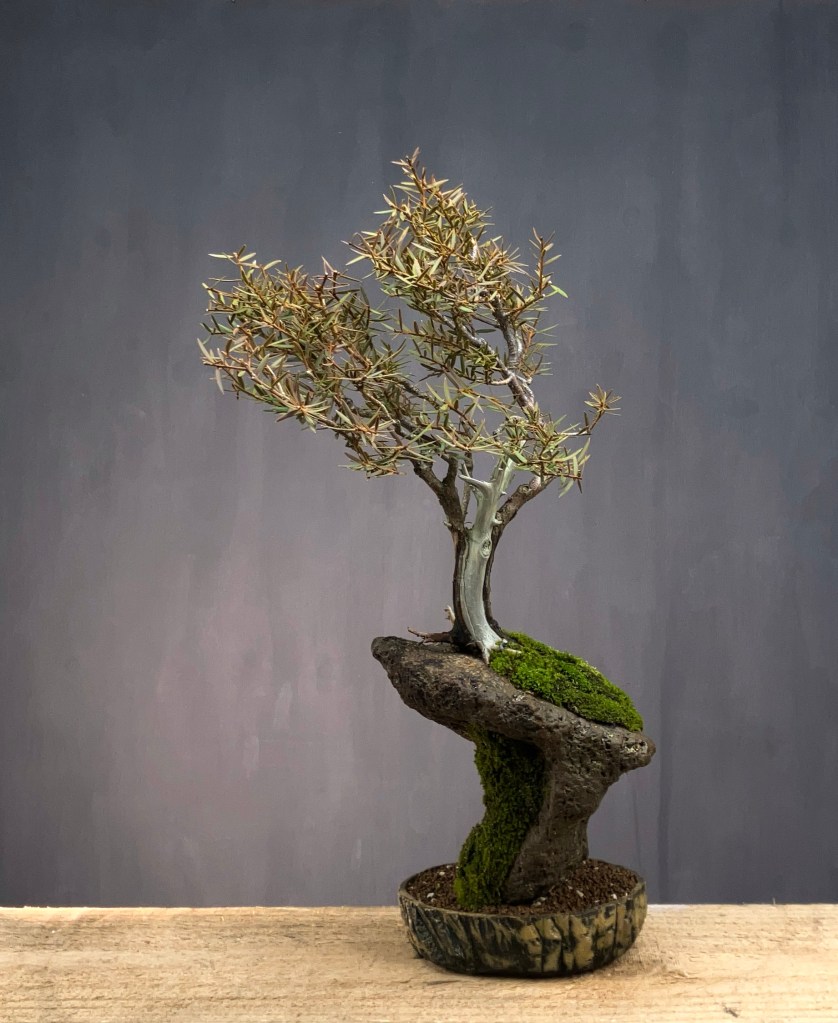
3 years ago I was inspired by a Mirai In the Wild series, created by Bonsai Mirai. The film moved me so much that I went straight out into the workshop and found a suitable piece of material and created this. What followed was and probably is one of my most cherished moments in my bonsai journey so far where Bonsai Mirai shared my story on their Instagram page. Just a humble tree, a touch of Bonsai Mirai inspiration and three years of maturity with a final splash of serendipity, the final composition was then realised. The composition realised. Growing out of a rock outcrop, battered by the constant prevailing winds, part of its root system eroded away, the original trunk leader torn off, uniquely shaped, battle scarred but the tree still endures! A yamadori Podocaprus Tōtara in a lava rock in a fantastic black and gold textured round ceramic by local ceramicist Anna.


 Two Islands Bonsai
Leave a comment