
It’s probably prudent to start off the blog post by explaining the two concepts in the title, ‘reiterative growth’ and ‘Bunjin’ as they apply to bonsai design. However I’m not going to, and I will go as far as not to reference both terms until the end of this post, daring I know! Let’s see if we can tell a story.
When we start to look at how we can successfully create a narrative and have the viewer navigate it within the artists desired context, I think we have to consider a few design fundamentals.
1) Line
Line can be beautiful whether it is straight or curved and when the artist starts to celebrate this in a design, it is brought to the forefront and is not hidden behind dense foliar pads. Each line referencing a moment in the tree’s life, struggles, situational circumstances and ultimately a reflection of the tree’s soul.
2) Visual weight
Dense; sparse, both come with their predetermined attached feelings to them. It can be conveyed as young versus old or exuberance versus struggle. An artist through the formation of a pad structure can start to reflect these feelings. Linking back to point 1, less density in foliar mass has the direct result in more line being seen.
3) Negative space
We all know the reference to negative space in a design. That is the intentional space that is void of anything, and what occupies this space is solely the viewers mind. This is one of the most difficult and powerful tools a bonsai artist can utilise in design. The artist has to utilise the positive space (foliar mass/ lines) to establish the preface for the viewer to create the rest of the image within the artists desired context. The term can often get misused by denoting it just as ‘space’ between foliage pads, when in reality that is just horticulture nuances and visual mass distribution.
4) Story telling
Inspired by nature, a phrase we often hear but what does this actually entail. Well the truth is, it can be anything and can also be applied to only part of a design or in its entirety! Mother Nature is boundless in inspiration and what the artist or viewer may have experienced can be totally different to the next person, but there is a common theme! Experiences, a story to be told. What that artist has seen, felt, engaged with, is then portrayed in their work as if creating a window into that personal experience. Connecting to this when viewing a tree can be one the most powerful moments!
Now that we have looked at some design fundamentals, let’s have a look at the picture below of one our most recent works and discuss how effective we were in applying them.
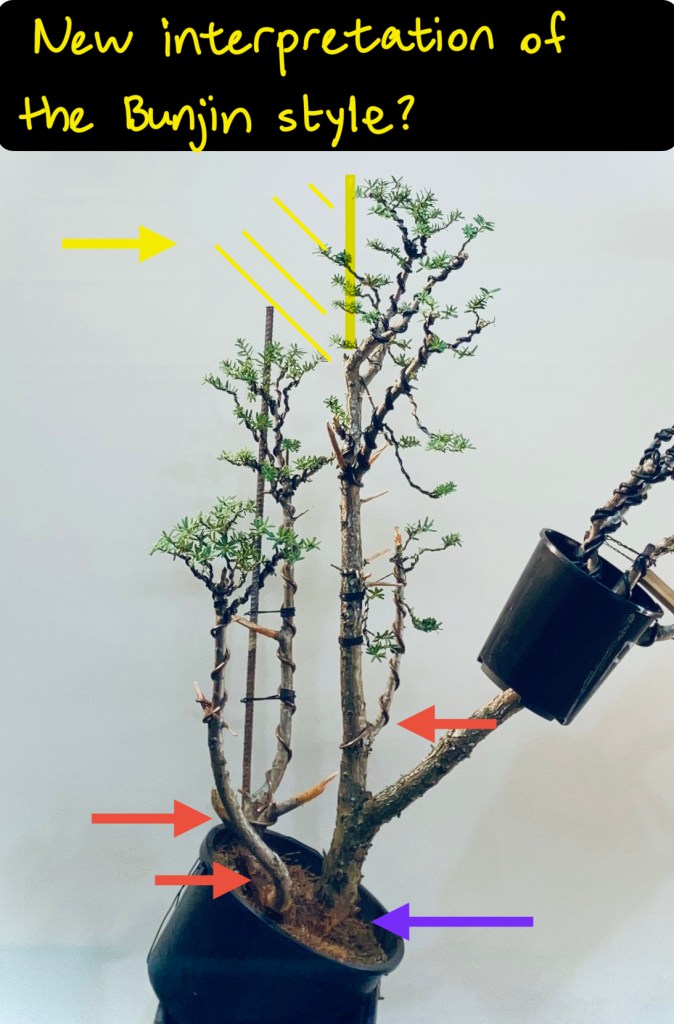
Now let’s jump to the top, the yellow arrow and lines show negative space, what used to be there. The mind wonders to the sight of a magnificent large crown that once filled that space but has since been lost. Lost how? One of Mother Natures many events. The positive space has been used to show initial movement away from the negative space (what was once there) and then back towards it in the apex movement to show the result. Cause and effect.
Now let’s go to the red arrows, the effect, with more sun now filtering through, new branches make bold moves to the sky, seeking more of that sunshine, making the transition from a branch to a sub-trunk as their girth and height expand.
Lastly, the foliar pads have been kept slender and purposeful, keeping only what is necessary to allow the viewer to create the final image. Too much density sacrifices line and ultimately starts to muddle the story telling
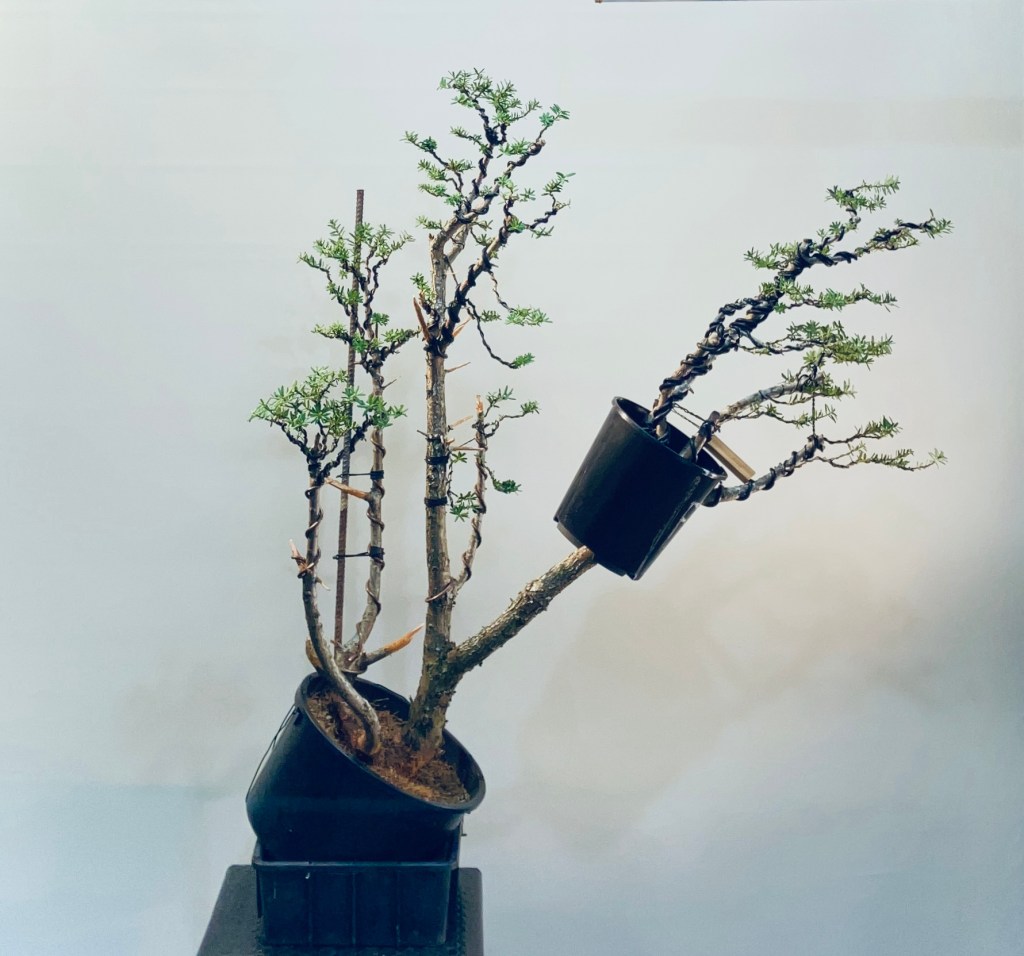
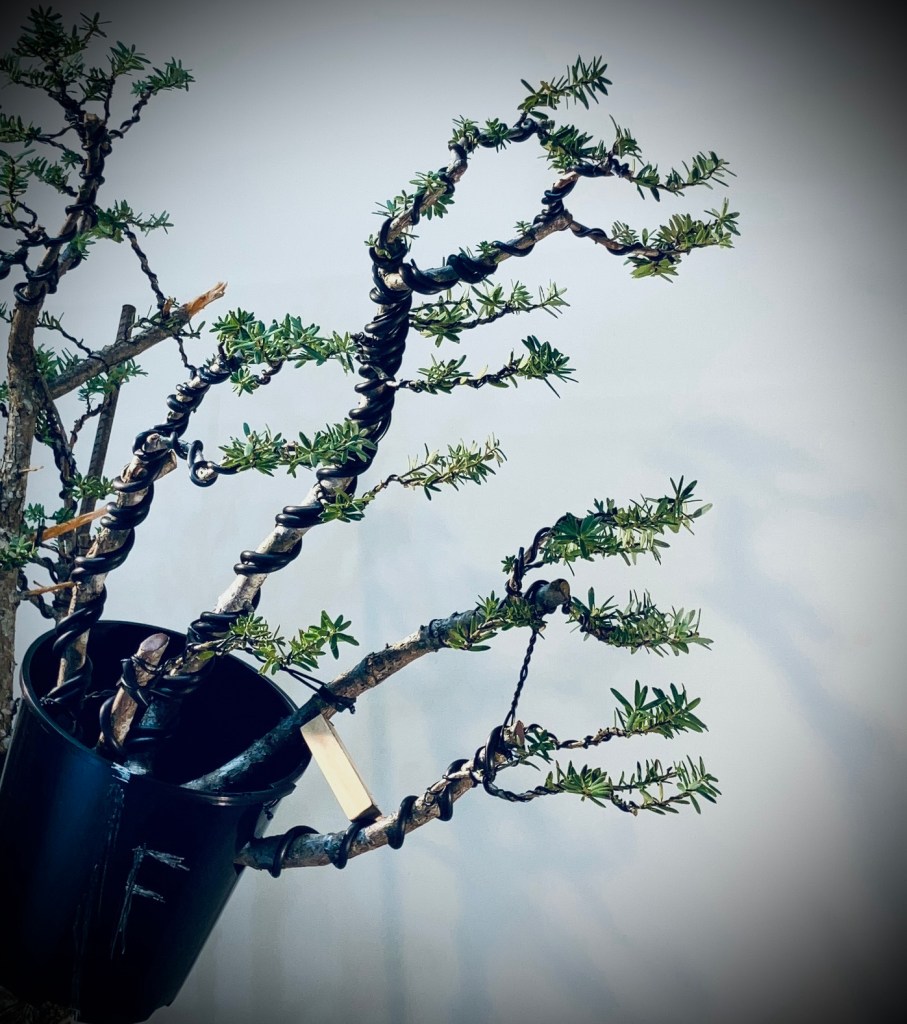
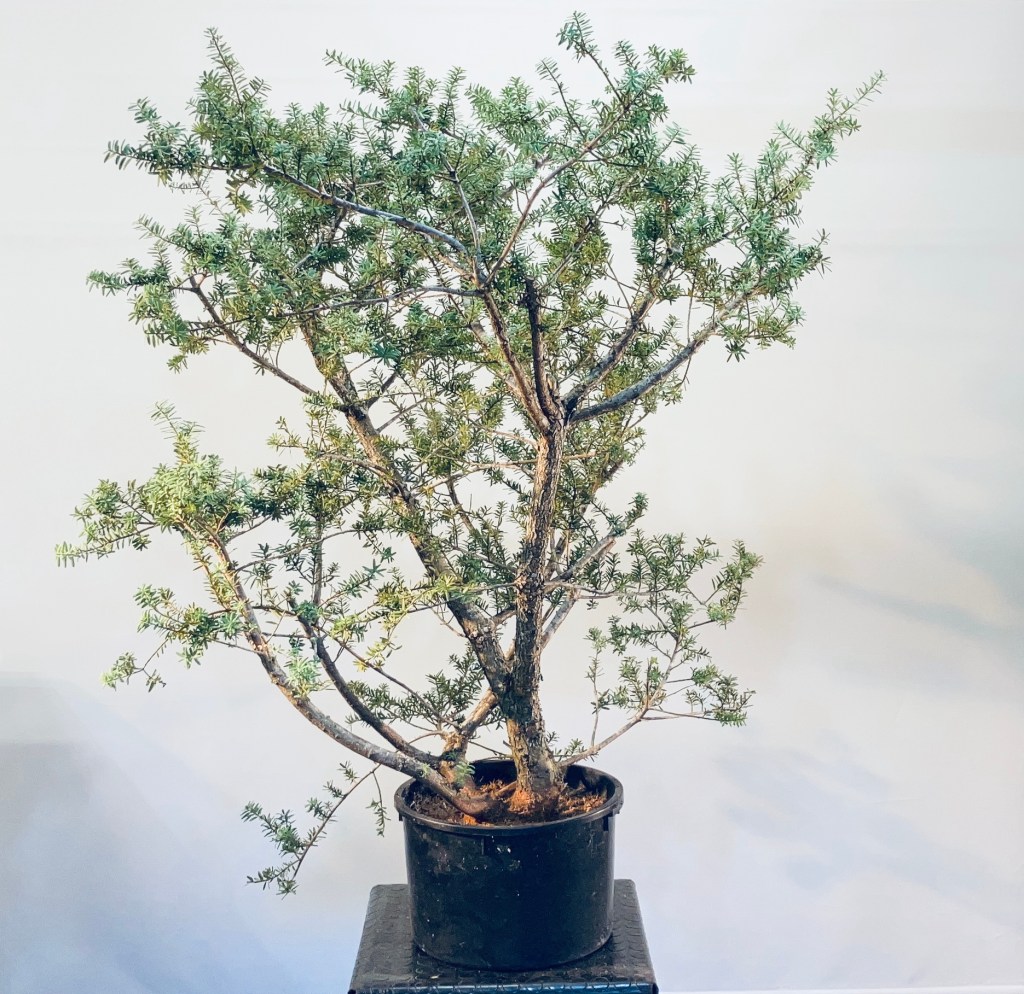
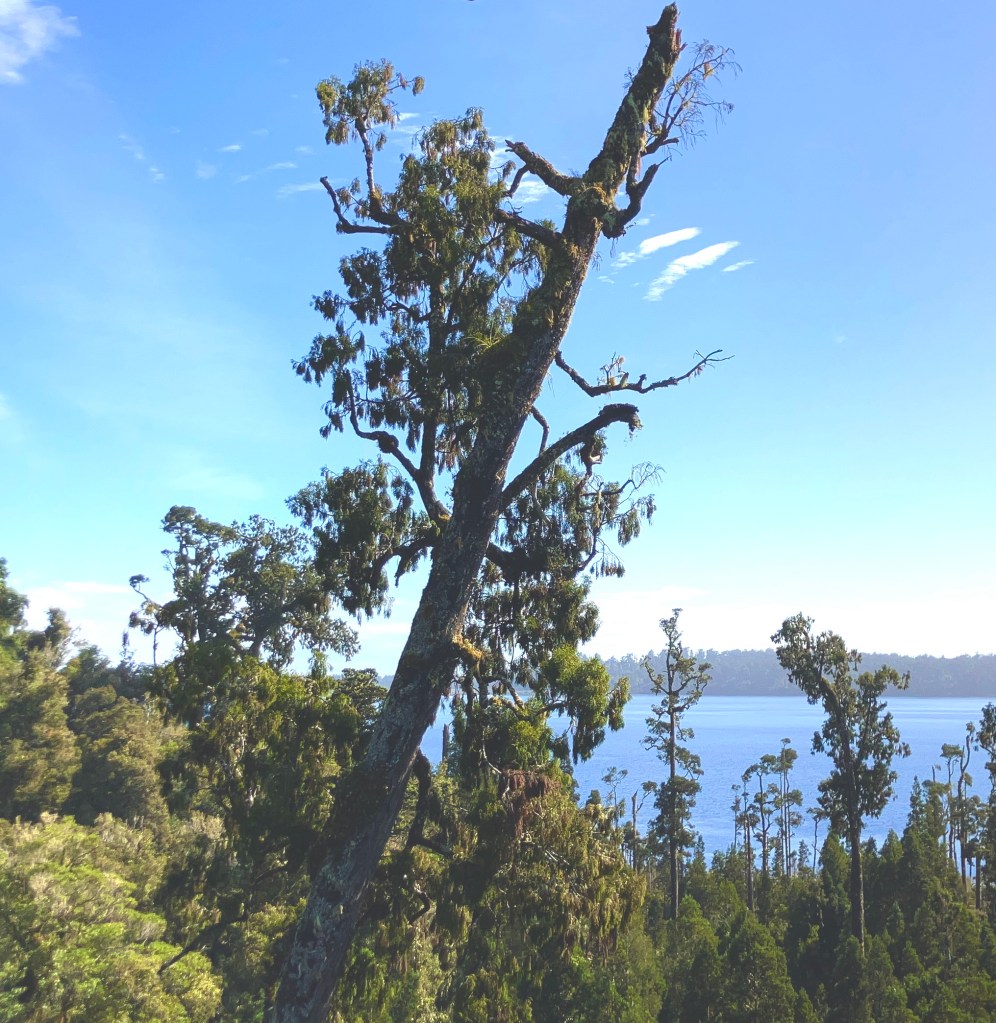
In the conclusion of this blog I’ll ask you as the reader, did I explain what ‘reiterative growth’ and ‘Bunjin’ terms inherently meant in bonsai design. If I did succeed (which I hope I did), then the idea of telling a story and providing the framework you were able to fill in the gaps within the correct context. (as one does with Bunjin).
Let us know in the comments.
 Two Islands Bonsai
Leave a comment